
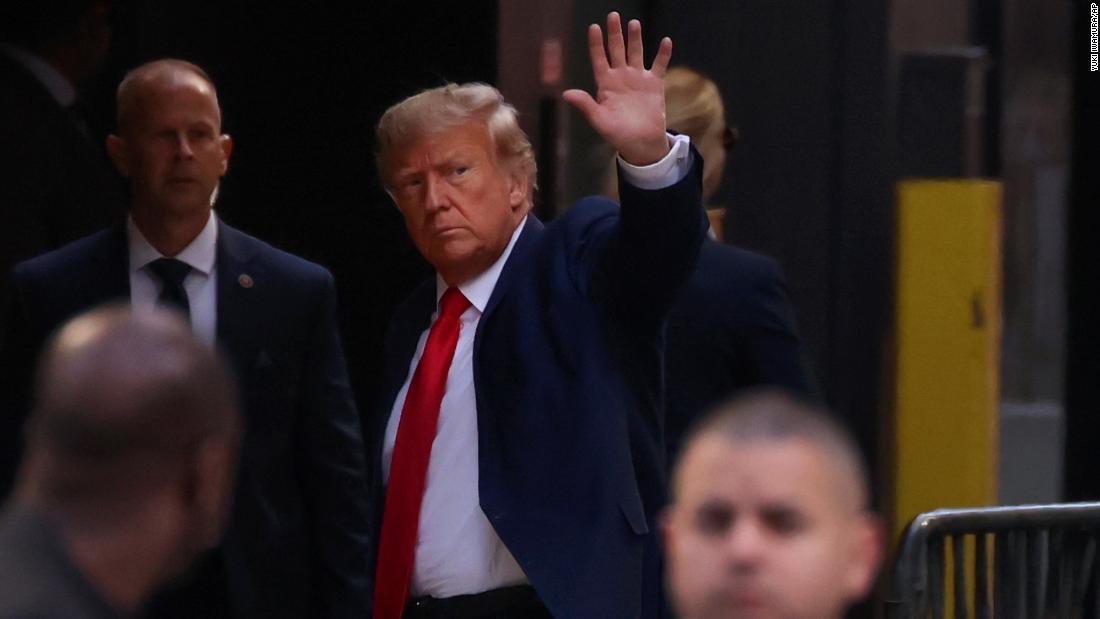
The legal landscape shifted dramatically last week with the indictment of former President Donald Trump. As the world watches, Tuesday marks a truly historic moment: Trump's arraignment in a New York state court. While the gravity of this event is undeniable, a significant decision by Acting New York Supreme Court Judge Juan Merchan has set clear boundaries on how the public will witness it.
No Live Cameras: A Judge's Deliberate Decision
Media organizations, including major news networks, strongly argued for live television broadcasts, emphasizing the "gravity of this proceeding" and the "need for the broadest possible public access." However, Judge Merchan ultimately rejected these requests. His Monday night order acknowledged the media's understandable desire to broadcast, but stressed the need to weigh public access against "competing interests."
What does this mean for public viewing? While the arraignment itself is a public proceeding, following standard Manhattan courthouse practice, news cameras will not be allowed to broadcast live from inside the courtroom. This decision aligns with the wishes of Trump's legal team, who had urged the judge to deny live camera access. The Manhattan District Attorney's office, notably, took no position on the matter.
Limited Access: Still Photos Before Proceedings
Despite the ban on live broadcasts, Judge Merchan has made a small concession for visual coverage. Five pool photographers will be permitted to take still photos within the courtroom. This limited access, however, is temporary, lasting only "until such time as they are directed to vacate the jury box by court personnel" – essentially, before the formal proceedings begin. It’s a stark reminder that while the event is historic, its visual documentation will be tightly controlled. For more on how arraignments typically proceed, you can consult resources like the [Legal Information Institute at Cornell Law School](https://www.law.cornell.edu/wex/arraignment).
The Charges: What We Know (and Don't Yet Know)
The indictment stems from Manhattan District Attorney Alvin Bragg's investigation into hush-money payments made during the 2016 presidential campaign. These payments were reportedly made to women who claimed extramarital affairs with Trump, allegations he vehemently denies. Trump also denies all wrongdoing related to the indictment, and his lawyers have vowed to fight to get the charges dropped.
One of the most anticipated aspects of Tuesday's arraignment is the unsealing of the criminal charges against Trump. These charges have not yet been made public, nor have they been seen by his lawyers. The specifics of the indictment will undoubtedly fuel further legal and political debate.
Trump's Dual Strategy: Silence in NY, Roar in Mar-a-Lago
Donald Trump arrived in Manhattan ahead of the arraignment, but don't expect a public address from him in New York. Aides indicate that Trump plans to follow the advice of his legal team, who have urged him to refrain from public "vitriol" directed at the prosecutor and judge. This strategic silence in New York presents a striking contrast to his plans for later in the day.
Tuesday night, from his Mar-a-Lago residence in Florida, Trump is expected to deliver a "full-throated defense" of his New York case, as well as address other investigations he currently faces. This dual approach highlights a clear separation between his courtroom strategy and his political messaging, aiming to navigate the legal process while simultaneously galvanizing his political base. The legal framework surrounding high-profile cases often involves complex considerations, as outlined by organizations like the [American Bar Association](https://www.americanbar.org/groups/public_education/resources/law_day/what-is-democracy/).
What Happens Next?
The arraignment is just the first step in what promises to be a prolonged and unprecedented legal battle. While live broadcasts are off the table, the legal and political ramifications of this historic day will reverberate far and wide.
Stay informed and share your thoughts! How do you think this decision on media access impacts public understanding of the proceedings?
Want best roleplay experience?
https://llmplayground.net
Image Credit: edition.cnn.com


0 Comments