
Understanding Recent Strikes and Ceasefire Violations
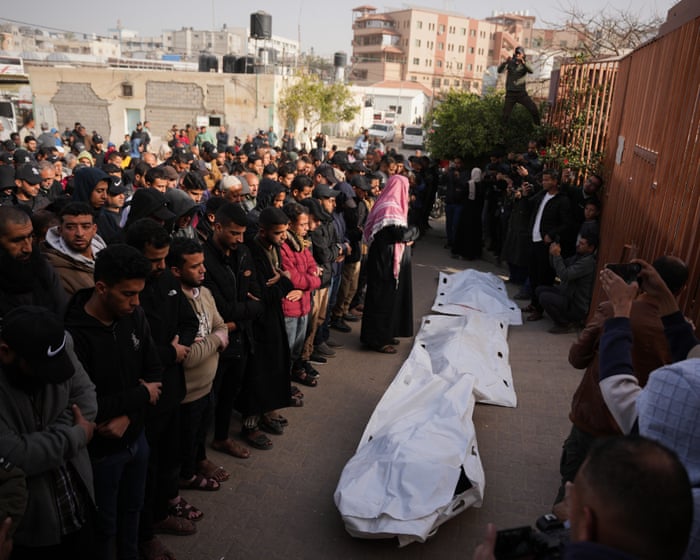
The conflict between Israel and Hamas has once again escalated, with airstrikes in Gaza resulting in the tragic loss of at least 12 Palestinian lives this past Sunday. These strikes, carried out by the Israeli military, were reportedly in response to alleged violations of a fragile ceasefire by Hamas. With both sides accusing each other of acting outside the parameters of the agreement, the situation has turned dire for many displaced individuals within the region.
The Human Cost of the Conflict
The Gaza civil defense agency reported that the majority of casualties occurred when an airstrike hit a tent sheltering displaced families in Jabaliya, leading to the deaths of five individuals. Separate strikes in Khan Younis and Gaza City further contributed to the rising death toll. Eyewitness accounts suggest that these attacks targeted civilians, raising alarm bells over the implications of military actions within populated areas.
Accounts from Ground Zero
Local residents have voiced their outrage and heartbreak. One grieving uncle, Osama Abu Askar, lost his nephew in the Jabaliya attack and expressed, "We’ve been living under a truce for months and they’ve still targeted us." Such narratives highlight the urgent need for both communities and global leaders to understand the human cost of ongoing violence.
The Role of Diplomacy
Amid the violence, former President Donald Trump’s Board of Peace met recently to discuss a pathway towards postwar reconstruction in Gaza. Trump called on Hamas to engage in disarmament efforts, offering a significant pledge of $5 billion towards Palestinian reconstruction. Despite these diplomatic efforts, the reality on the ground suggests that achieving lasting peace remains a formidable challenge, as both Israel and Hamas continue to engage in mutual accusations.
Violations and the Fragility of the Ceasefire
Israeli military officials claim that the strikes were warranted due to Hamas's breach of the ceasefire terms established on October 10. A military spokesperson explained that armed individuals were reportedly detected under debris near the Israeli Defense Forces (IDF), indicating a clear intention to violate the truce. This back-and-forth dynamic highlights the complexities of the ceasefire:
- Israeli Position: Claiming to act defensively in response to Hamas’s continuous violations.
- Hamas Position: Accusing Israel of committing "massacres" against defenseless civilians.
Given these contrasting narratives, the situation remains volatile, underscoring the challenges of balancing security and humanitarian considerations.
What’s Next?
For a peace process to take root, both sides must acknowledge the urgent need for dialogue and adherence to ceasefire agreements. As many families mourn their lost loved ones, international communities must amplify their calls for sustained peace negotiations. The time for action is now; stakeholders must prioritize humanitarian needs while striving to end the cycle of violence.
Call to Action
We encourage readers to stay informed and engaged with current events surrounding the Israel-Palestine conflict. Organizations like [Human Rights Watch](https://www.hrw.org) and [International Crisis Group](https://www.crisisgroup.org) provide extensive resources and insights for those looking to understand the complexities involved. As advocates for peace, it's crucial to continue the conversation around humanitarian support and conflict resolution. The world is watching—and now is the time for change.
---
*By highlighting the urgency for peace and drawing on authoritative sources, your understanding can deepen, and your voice can join the chorus calling for meaningful change in a scarred region.*
Want best roleplay experience?
https://llmplayground.net
Image Credit: theguardian.com


0 Comments