
The Struggles of Preservation Amid Conflict
As the war in Ukraine continues to impact every facet of life, one of the most pressing concerns is the preservation of the country’s rich biodiversity. With areas hosting critical research facilities under occupation, experts like Larisa Kolder at the National Dendrological Park Sofiyivka in Uman are grappling with the dire task of saving endangered species. The significance of these biodiversity sites cannot be overstated, especially when one considers that Ukraine is home to approximately 35% of Europe’s biodiversity despite comprising less than 6% of its landmass.
A Glimpse into Sofiyivka Park
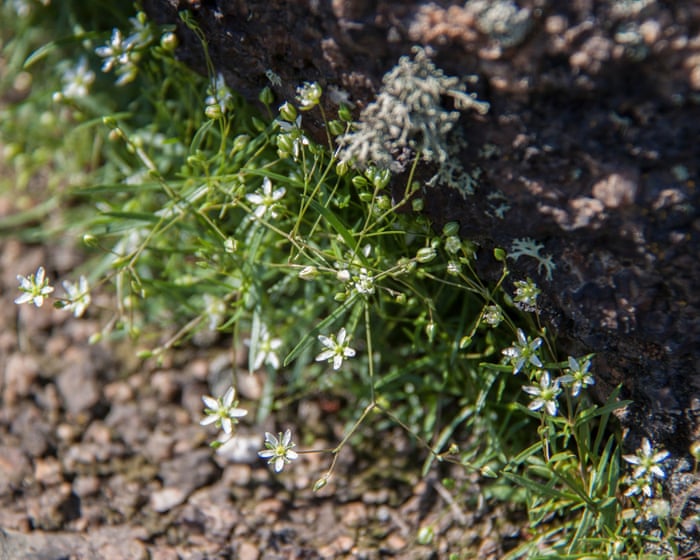
In the basement laboratory of Sofiyivka Park, Kolder and her team are engaged in a delicate balancing act—keeping their research alive amid power outages and bombardments. Recently, they received 23 seeds of Moehringia hypanica, a flower listed as threatened in Ukraine’s Red Book of endangered species. Though only two have successfully grown into plants suitable for cloning, this small victory shines a light on the importance of conservation efforts during such turbulent times. Today, the lab is home to around 80 Moehringia seedlings, marking a critical step in biodiversity conservation.
The Loss of Biodiversity Hotspots
Previously, Kolder's lab thrived through collaborations with leading institutions like the Nikitsky Botanical Garden and the Nova Kakhovka experimental research station. However, both of these vital sites are now lost to the conflict, leaving the team in Uman isolated and struggling to maintain their research efforts. As Oleksii Vasyliuk, a zoologist and member of the Ukraine War Environmental Consequences Work Group, points out, much of Ukraine's agricultural land and biodiversity-rich regions are now under Russian occupation, which he fears may remain inaccessible for generations.
Key Biodiversity Sites Affected:
- Nikitsky Botanical Garden: Once the leading botanical research facility, known for its vast collection of rare plants.
- Askania-Nova: One of the world’s oldest steppe reserves, now primarily in an occupied zone.
- Kherson Experimental Research Station: A critical center for biodiversity research now cut off from collaborators.
Ecocide and International Accountability
The ongoing conflict poses not only a threat to the physical landscape but also to the delicate ecosystems within it. Vasyliuk's calls to document instances of “ecocide” aim to prepare for recognition of environmental crimes under international law. The hope is to ensure that such actions are treated with the gravity they deserve when the conflict reaches its conclusion.
How You Can Help
The plight of biodiversity in Ukraine demands immediate attention and action. Here are ways you can contribute to the conservation efforts:
- Spread Awareness: Share articles and information about the situation in Ukraine to raise public consciousness.
- Support Organizations: Contribute to NGOs working toward environmental recovery in Ukraine, such as the WWF Ukraine or the Ukrainian Nature Conservation Group.
- Advocate for Policy Changes: Contact your representatives to advocate for environmental protections and support for Ukrainian biodiversity initiatives.
Conclusion: The Future of Ukraine's Natural Heritage
As we witness the devastation caused by war, let us not forget the vital role that biodiversity plays in our ecosystem. The efforts at Sofiyivka Park highlight the resilience of humans and nature, but continued support is essential for their success. Now is the time to act—get involved, raise your voice, and stand in solidarity with those who strive to protect the natural heritage of Ukraine.
For more information on Ukraine's biodiversity conservation, visit the [WWF Ukraine](https://wwf.org.ua) and [Ukrainian Nature Conservation Group](http://www.uncg.org) websites. Together, we can make a difference.
Want best roleplay experience?
https://llmplayground.net
Image Credit: theguardian.com


0 Comments