
Understanding Statelessness and Its Global Implications
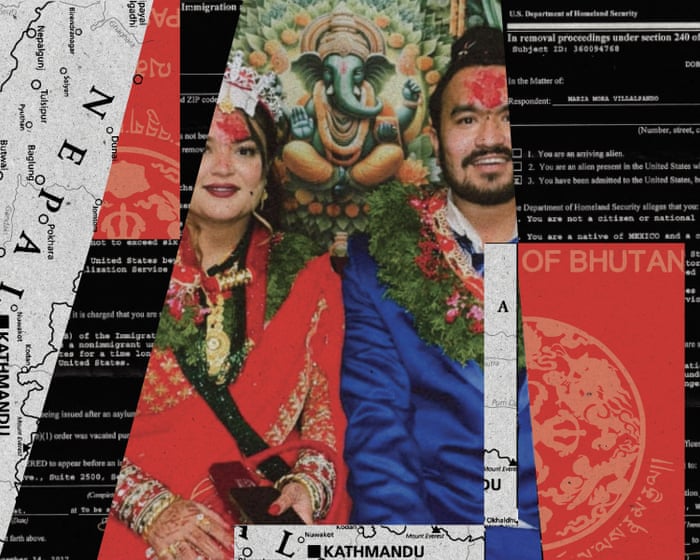
Statelessness is a growing issue that affects millions worldwide, stripping individuals of their rights and placing them at substantial risk. One such harrowing story is that of Mohan Karki, a man forcibly deported to Bhutan despite having no real ties to the country. His journey highlights a troubling pattern of deportation policies that leave many vulnerable and voiceless.
The Impact of Deportation on Families
Karki, now over 14,000 miles away from his wife, Tika Basnet, and their seven-month-old baby, Briana, speaks to the emotional toll of being separated from one’s family. His words resonate deeply: "I feel like a ghost. Living in the shadows. No home, no name." For those with no access to their homeland, such as Karki, the consequences can be devastating.
The sad truth is that Karki has never lived in Bhutan. Born in a Nepalese refugee camp, his deportation exposes him to potential persecution in a nation that has historically rejected those like him. Unfortunately, he is just one among many who have faced the grim realities of deportation with little to no connection to the lands they are sent back to.
A Shift in U.S. Deportation Policies
Experts suggest that this situation reflects a broader pattern observed under the Trump administration's deportation policies. Human rights advocates, like John Sifton of Human Rights Watch, have pointed out that Bhutan does not provide a safe haven for deported refugees. Recent reports have documented severe human rights violations against Nepali-speaking political prisoners there, raising red flags about the safety of expelled individuals.
Some key points to consider regarding deportation policies:
- Sudden Changes: The increase in deportations to countries with which individuals have no connection suggests covert governmental agreements.
- Legal Limbo: Many refugees find themselves in a precarious legal status upon return to their supposed homeland, often being rendered stateless.
- Human Rights Violations: The conditions within Bhutan for repatriated individuals raise alarms about torture and unfair trials, violating international human rights norms.
Taking Action Against Statelessness
Understanding Karki's story is just the beginning. It is crucial to advocate for policies that prioritize human rights and protect those facing statelessness.
Here are some steps you can take to contribute:
1. Educate Yourself: Understanding the complexities of statelessness can help you advocate effectively. Resources like the [UNHCR](https://www.unhcr.org/stateless-people) provide vital information.
2. Raise Awareness: Share articles, stories, and information related to the plight of stateless individuals on social media platforms.
3. Support Organizations: Consider donating or volunteering with organizations focused on refugee rights, like the [Asian Law Caucus](https://www.asianlawcaucus.org), which fights for the rights of vulnerable populations.
4. Contact Lawmakers: Write to your elected officials about supporting legislation that safeguards human rights for refugees and stateless individuals.
Conclusion
The story of Mohan Karki underscores the urgent need for action. Statelessness not only impacts the individual but reverberates through families and communities. As global citizens, we must champion the rights of the most vulnerable among us. Let us work collectively to ensure that no one is forced to live like a ghost, disconnected from the basic rights and protections that every human being deserves. It's time for change.
Want best roleplay experience?
https://llmplayground.net
discord.gg/airforce
Image Credit: theguardian.com


0 Comments