
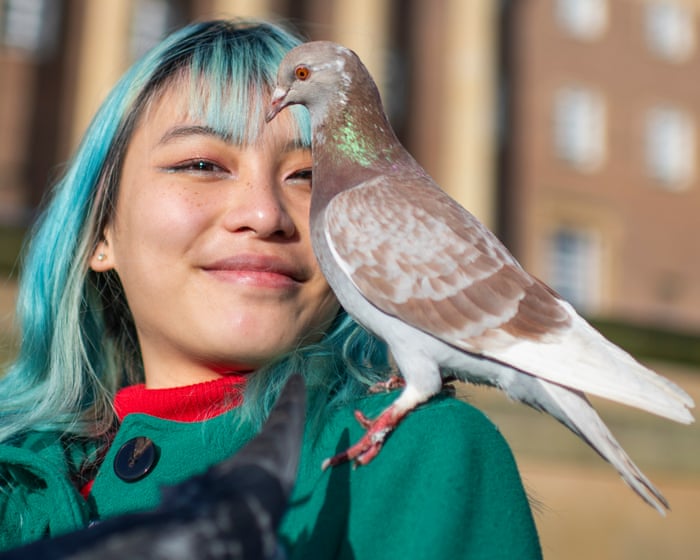
A Tale of Two Perspectives
Pigeons have become a polarizing presence in urban environments. To some, they are elegant creatures that add life and beauty to our cityscapes. To others, they represent chaos: defecating everywhere, rummaging through scraps, and even spreading disease. The conversation surrounding these ubiquitous birds begs the question: Who is right?
In Norwich, England, local bird lover Jenny Coupland feeds the growing flock of pigeons in the Memorial Gardens. For ten years, she has been nurturing these birds, viewing them as important community members. However, recent surges in the pigeon population have led to complaints from residents and visitors alike. People like Eddie Graci express concerns over the mess and nuisance these birds create on picnic tables and streets.
The Numbers Don't Lie
Coupland and the avian welfare group, Peck Savers, have witnessed the flock swell to nearly 300 pigeons. Here's a breakdown of the situation:
- 300: Number of pigeons currently in Norwich.
- Complaints: Increasing reports from locals about nuisance behavior.
- Proposed Solutions: City officials have tried methods like deploying a Harris’s hawk to scare away the birds.
Despite their intentions, solutions such as the use of contraceptives for controlling pigeon populations have been met with hurdles. In the UK, it turns out, using contraceptives on birds isn’t actually legal, which leaves city officials scrambling for effective, humane solutions.
A Wider Phenomenon
Norwich is not alone in grappling with its pigeon problem. Cities like Rome, Venice, and New York face similar challenges. For context:
- Rome: Known for its historic architecture and significant pigeon presence, city officials have enacted regulations to limit feeding.
- New York: Central Park sees its fair share of pigeon enthusiasts, but leaving bread crumbs can lead to fines.
- London: In Trafalgar Square, breaking the citywide ban can cost you up to £500!
Finding Balance
The ongoing conversation about pigeons in urban areas highlights a delicate balance between preserving wildlife and maintaining a clean, healthy environment for people. Here are some potential strategies:
1. Education: Informing the public about the consequences of feeding pigeons may help curb the issue.
2. Responsible Feeding: Designate specific areas for bird feeding, monitored by local organizations.
3. Community Involvement: Encourage local residents to participate in wildlife management programs, promoting coexistence.
Call to Action
The pigeon debate serves as a vivid illustration of the complexities in sharing our urban environments. No matter where you stand in this debate, it’s crucial to foster discussions that bridge the gap between bird enthusiasts and those who are impacted by their presence.
What do you think about the pigeon population in your community? Should they be embraced or controlled? Share your thoughts with us or take part in community discussions about wildlife management in your area.
For more on urban wildlife management, check out these authoritative resources: [National Audubon Society](https://www.audubon.org) and [People for the Ethical Treatment of Animals (PETA)](https://www.peta.org). Let’s find a solution that allows us to share our spaces harmoniously!
Want best roleplay experience?
https://llmplayground.net
Image Credit: theguardian.com


0 Comments