
Uncertainty in the Markets: The Case of China Renaissance
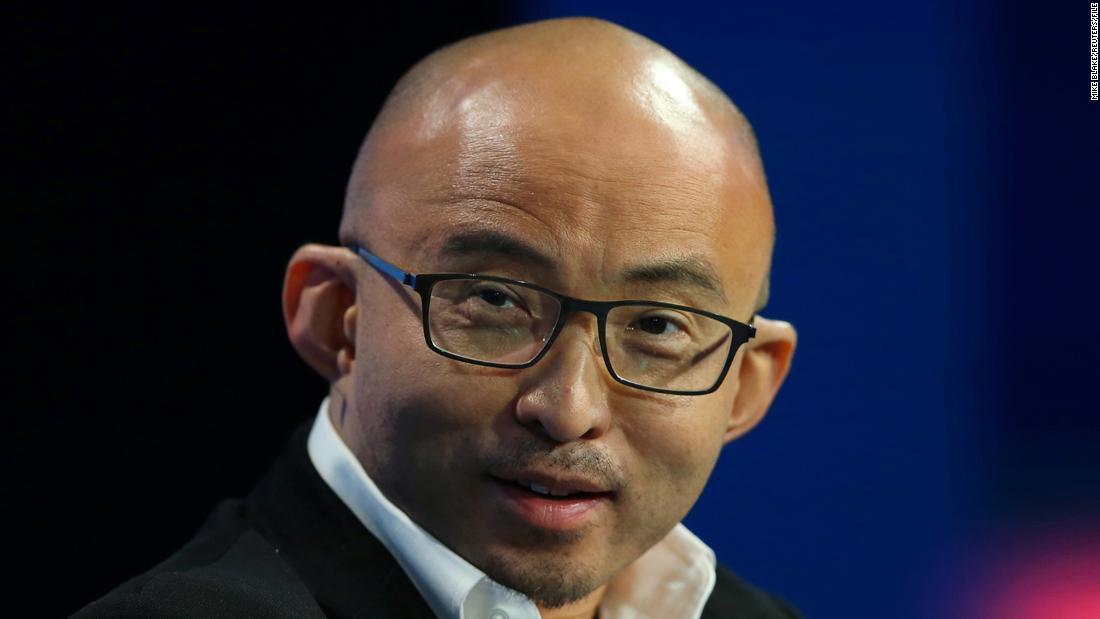
In the ever-evolving landscape of global finance, few stories capture the attention of investors quite like that of China Renaissance. This boutique investment bank has recently found itself in the eye of a storm, primarily due to the concerning disappearance of its founder, Bao Fan. Since mid-February, Bao has been unreachable, prompting the bank to suspend trading of its shares and delay its annual results. The implications for China's burgeoning tech sector are profound, affecting not just Bao's firm but also the broader investment community.
The Impact of Bao Fan’s Absence
Bao Fan's absence has led to a dramatic drop in China Renaissance’s share price, which plummeted by as much as 50% following his disappearance. The bank disclosed that it learned Bao is "cooperating in an investigation" by certain authorities in China, though details remain scarce. This lack of transparency has left investors anxious, unsure of how this situation might unfold.
According to a report by CNN, China Renaissance cited that auditors could not finalize their reports due to Bao’s non-availability, which raises questions about the firm's governance and operational integrity. As the company struggles to meet its April 30 deadline for submitting its annual report under Hong Kong's listing guidelines, their future appears increasingly precarious.
What Led to the Investigation?
Recent reports indicate that Bao may be linked to an investigation concerning a former executive at China Renaissance. This aligns with a troubling trend in China’s finance sector, where high-profile figures are increasingly facing scrutiny.
For instance, Liu Liange, the former party secretary and chairman of Bank of China, is currently under investigation for "serious violations of discipline and law." This investigation was launched by the Central Commission for Discipline Inspection, marking yet another instance in Xi Jinping's broader crackdown on financial misconduct in China.
Major Players Affected
The implications of these events extend beyond China Renaissance. Bao Fan has been a pivotal figure in several high-profile deals. His contributions include:
- Merging Meituan and Dianping: The two platforms have become synonymous with food delivery services in China.
- Investments in U.S.-listed Chinese EV makers: Companies like Nio and Li Auto gained significant traction with Bao's firm backing.
- Facilitating secondary listings: Major internet companies such as Baidu and JD.com benefited from China Renaissance's expertise.
With regulatory scrutiny intensifying, the tech industry could face tighter restrictions that could stifle innovation and growth.
The Bigger Picture
It’s crucial to interpret Bao's situation within the broader context of China's regulatory landscape. The government's resolve to root out corruption among financial institutions hints at future volatility in the tech sector. Investors need to stay alert as these developments could signal redefined rules that govern market dynamics.
Call to Action: Stay Informed
As we watch these developments unfold, it’s essential for investors and industry stakeholders to remain proactive. Here are some steps you can take:
1. Follow Market Trends: Keep an eye on the fluctuations in stock prices, especially concerning China Renaissance.
2. Stay Updated on Regulatory Changes: Understanding the legal landscape can offer insights into future market behavior.
3. Diversify Investments: To mitigate risk, consider diversifying your portfolio beyond the volatile tech sector.
For more detailed insights and updated news on the financial markets, refer to authoritative sources like Reuters and Bloomberg. The China tech saga continues, and staying informed is your best strategy for navigating this uncertain terrain.
Are you prepared for the potential shifts in the market? Let us know your thoughts in the comments below!
Want best roleplay experience?
https://llmplayground.net
Image Credit: cnn.com


0 Comments