
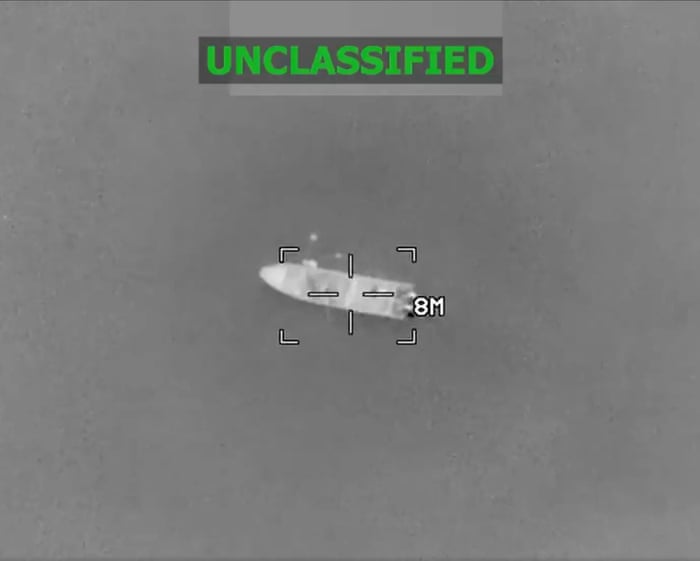
Understanding the Recent Military Strikes
Recently, the U.S. military escalated its operations in the Caribbean and eastern Pacific, targeting alleged drug-smuggling boats as part of President Trump’s ongoing campaign against what his administration terms “narco-terrorists.” This initiative has led to significant casualties and legal controversies, sparking debates about the ethical and legal implications of such military actions.
A Deadly Campaign: A Snapshot of the Operations
On a single day this week, U.S. forces struck three boats, resulting in the deaths of 11 individuals. Since September, the number of fatalities linked to these operations has surged to 145. Each strike aims to dismantle drug trafficking networks operating in well-known routes. The U.S. Southern Command reported that these operations focused on vessels allegedly engaged in narco-trafficking.
Key Statistics
- Total Strikes Since September: 42
- Fatalities from Recent Strikes: 145
- Casualties from This Week's Strikes: 11
While U.S. Southern Command provided video evidence of these strikes, critics argue that it does not clearly confirm the presence of drug-trafficking activities. The military claims that these operations are a necessary measure to curb narcotics production and distribution, yet questions remain about the unproven validity of accusations against those targeted.
Legal Ramifications: A Controversial Tactic
The approach used by the Trump administration has drawn scrutiny from various legal experts who argue that these military strikes amount to extrajudicial killings lacking due process. According to a report by the Washington Office on Latin America, “Those being killed by U.S. military strikes at sea are denied any due process whatsoever.” This raises important questions about the legality of operating beyond established legal frameworks and international law.
Key Legal Concerns:
- Extrajudicial Killings: Are strikes justified without due process?
- Use of Military Force: Is the use of military force appropriate in such contexts?
- Potential for Abuse: Could the lack of oversight lead to abuses of power?
For more insights on these legal questions, you can refer to [Human Rights Watch](https://www.hrw.org) and [Amnesty International](https://www.amnesty.org).
The Bigger Picture: Combating Narco-Terrorism
Even as the Trump administration frames these military actions as critical to combating narco-terrorism, evidence supporting the existence of extensive trafficking rings remains elusive. The administration has specifically linked these actions to global drug networks but has yet to provide substantial proof to back their claims.
Contextual Factors:
- “War on Drugs” Legacy: This approach is part of a long-standing attempt to battle drug-related crime through military means.
- Shifting Military Resources: The Pentagon has reallocated warships from the Venezuelan coast amid rising tensions regarding Iran’s nuclear activities.
Conclusion: A Course for Action
As debates continue surrounding the efficacy and ethics of this military campaign, it’s imperative for citizens to engage in the discourse. Are we comfortable with a military strategy that may bypass due process in the name of national security? While combating narco-terrorism is undoubtedly important, the methods employed must align with international laws and human rights standards.
Take Action! Join the conversation by sharing your thoughts on this strategy with your lawmakers. Educate others about the implications of military actions on our human rights. The approach we take toward combating threats must not come at the cost of our foundational values.
Let your voice be heard and stand up for a legal process that ensures justice and accountability. Visit [Change.org](https://www.change.org) to get involved in advocacy initiatives that aim to address these pressing concerns.
Want best roleplay experience?
https://llmplayground.net
discord.gg/airforce
Image Credit: theguardian.com


0 Comments