
The recent four-day CARICOM summit held in St. Kitts and Nevis has put the spotlight on a pressing issue: the impact of U.S. interventions in the Caribbean. As leaders from 15 Caribbean and Latin American nations convened, the overwhelming theme was the need for strategic collaboration to tackle the challenges presented by U.S. military actions and policies. With military strikes against suspected drug boats ongoing and Cuba facing a debilitating oil blockade, the summit underscored the urgency for constructive dialogue and collective action.
A Neighbor in Crisis: The Situation in Cuba
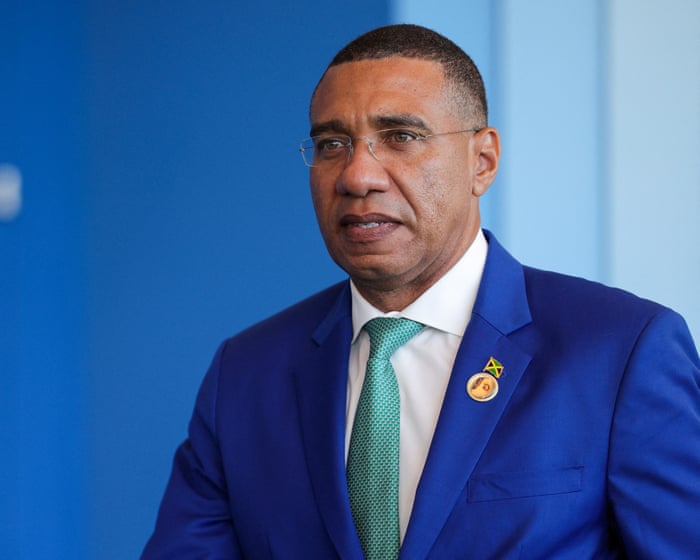
During his address, Jamaican Prime Minister Andrew Holness emphasized the need for clarity and courage in addressing the crisis in Cuba. With the Cuban economy in turmoil, residents are grappling with severe shortages of food, energy, and essential services. Holness pointed out:
- Economic Hardship: The Cuban people are enduring significant stress due to the ongoing economic situation.
- Humanitarian Impact: "Food has become terribly scarce for some," said Terrance Drew, the incoming CARICOM chair and Prime Minister of St. Kitts and Nevis, highlighting the dire living conditions in Cuba.
These issues extend beyond national borders; a prolonged crisis in Cuba could trigger migration surges and affect the overall stability of the Caribbean region.
The Role of the United States
The U.S. has recently intensified its interventions in the Caribbean, pushing nations to sever ties with Cuba and scrutinize their relationships with China. This has raised considerable concern among CARICOM leaders, who are keen to protect the region's sovereignty and maintain its status as a "zone of peace."
Francisco Pichón, Cuba's UN resident coordinator, described the challenges posed by the U.S. oil embargo, stating that it inhibits aid and hampers recovery efforts from natural disasters like Hurricane Melissa, which recently devastated eastern Cuba. The ongoing pressure from the U.S. government raises questions about the balance between security and diplomacy in the region.
The Need for Humanitarian Support
CARICOM leaders echoed the call for humanitarian intervention. Prime Minister Drew articulated his heartfelt connection to Cuba, sharing personal experiences from his seven years in the country. He declared, "Caricom should become a conduit for constructive dialogue on the issue," stressing the importance of regional unity in addressing humanitarian crises.
Looking Ahead: A Call to Action
As the U.S. Secretary of State Marco Rubio prepares to meet with Caribbean leaders, it's crucial to remember that the path forward relies heavily on collaboration and open communication. The situation presented by U.S. interventions is complex, but leaders have an opportunity to forge a new dialogue with the U.S. that prioritizes stability, humanitarian needs, and regional power dynamics.
Key Takeaways for the Caribbean Region:
1. Promote Dialogue: Engage with the U.S. government to discuss policies impacting the Caribbean.
2. Support Humanitarian Aid: Rallying support for Cuba can serve to unite CARICOM members.
3. Foster Regional Unity: Uphold the Caribbean's commitment to being a "zone of peace."
As citizens of the Caribbean, we must stand together in this critical moment. Encourage your local representatives to advocate for humanitarian support and the establishment of constructive dialogue. The time for action is now—let your voice be heard!
For more insights into the ongoing situation in Cuba and U.S. policies in Latin America, visit [Human Rights Watch - Cuba](https://www.hrw.org/americas/cuba) and [U.S. Department of State - Cuba](https://www.state.gov/cuba/).
Need proxies cheaper than the market?
https://op.wtf
Image Credit: theguardian.com


0 Comments